
IAWG works with humanitarian leaders on a comprehensive range of sexual and reproductive health issues
Explore Issues
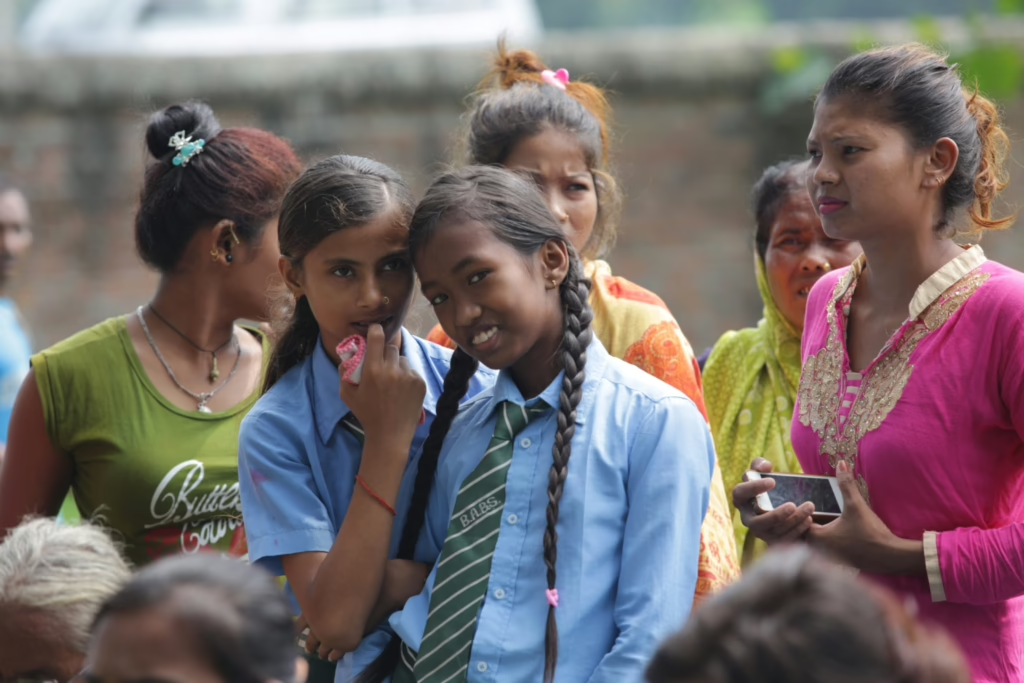
Adolescent Sexual and Reproductive Health and Rights
Adolescents’ resilience, resourcefulness, and energy should be mobilized to address their unique sexual and reproductive health needs and vulnerabilities.
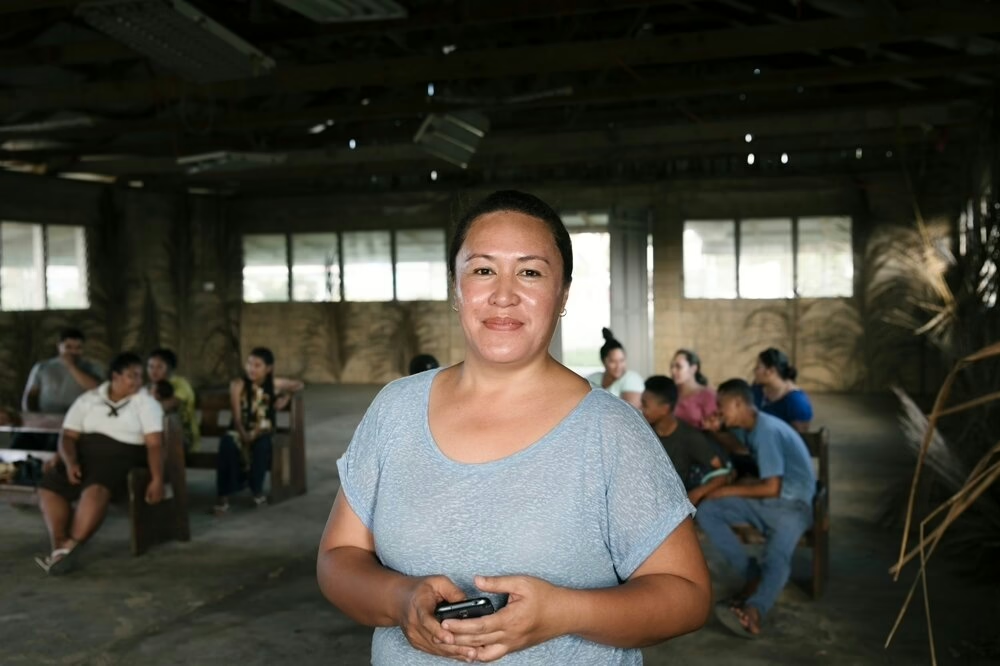
Advocacy
Advocating for the inclusion of sexual and reproductive health in humanitarian settings and crisis-affected persons in global development agendas.
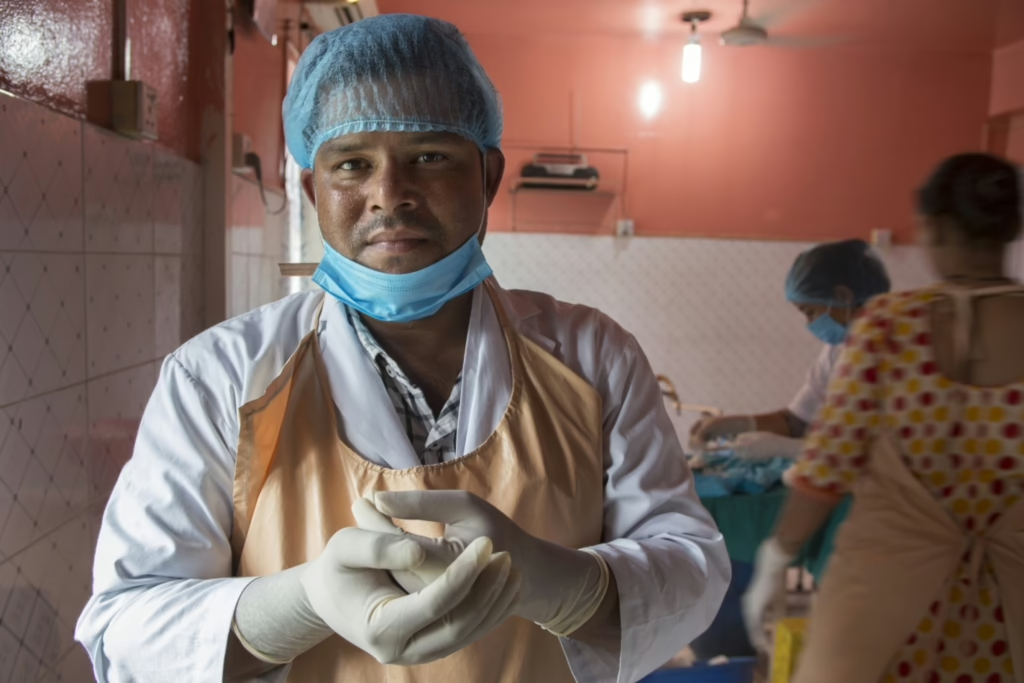
Comprehensive Abortion Care
Limited access to contraception, delaying childbearing because of lack of security, and rape contribute to a higher risk of unintended pregnancy and unsafe abortion in humanitarian settings.
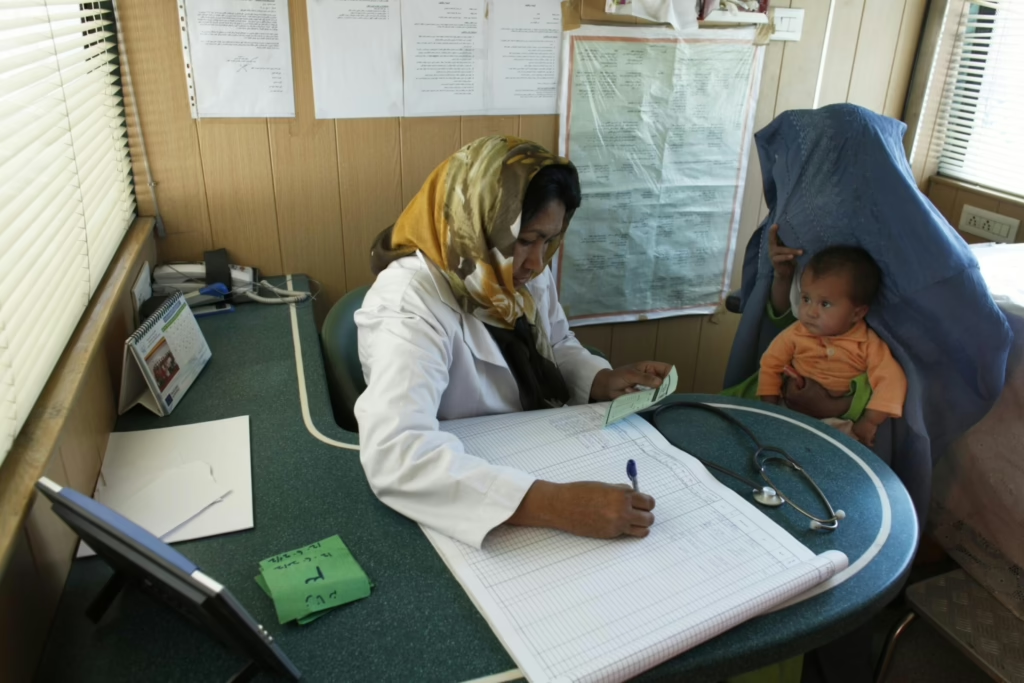
Data, Information, and Research
Identifying gaps in the evidence base for sexual and reproductive health (SRH) in humanitarian settings, undertaking research, and disseminating the latest research, data, and reports.
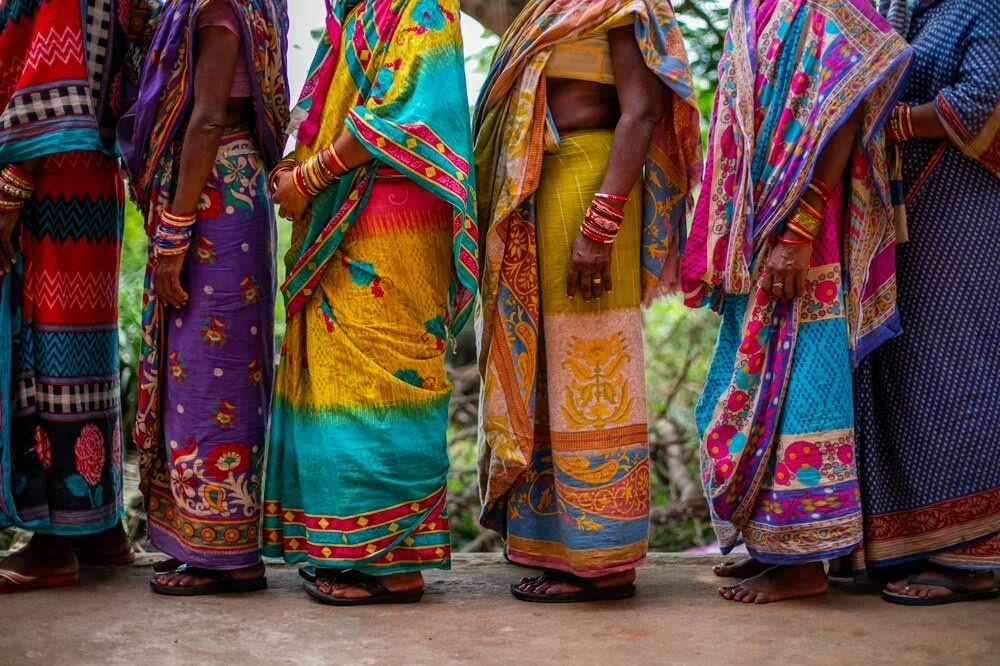
Gender-Based Violence
Gender-based violence (GBV) refers to harmful acts based on a person’s gender. It includes threats, coercion, and acts of physical, sexual, or mental harm.
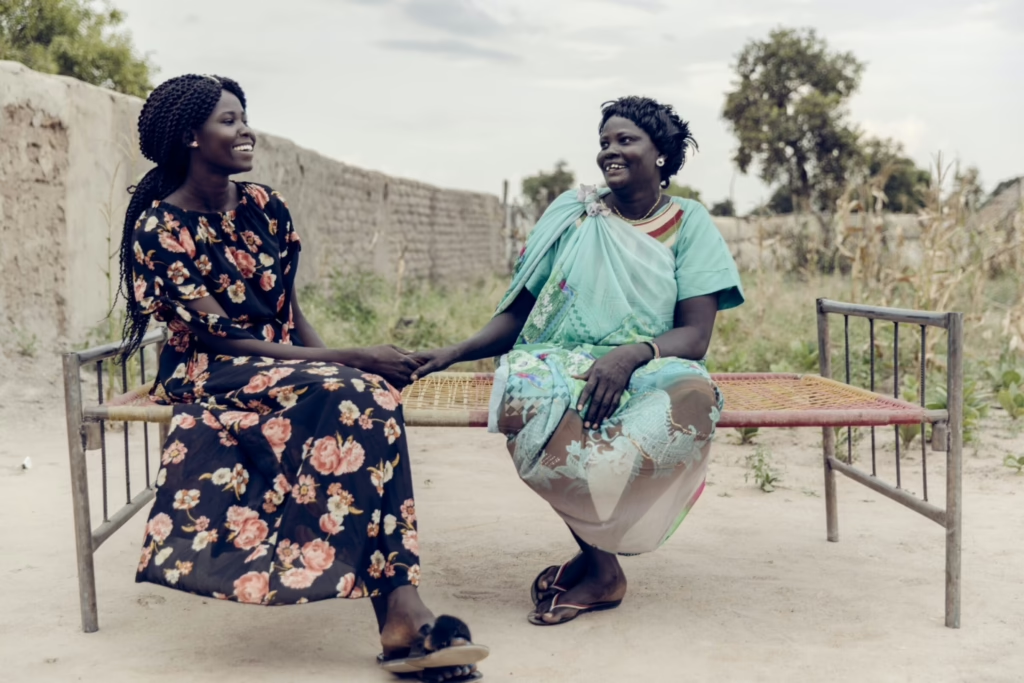
IAWG Self-Care Task Team
Improve SRH self-care evidence, policy and practice in fragile and humanitarian settings.
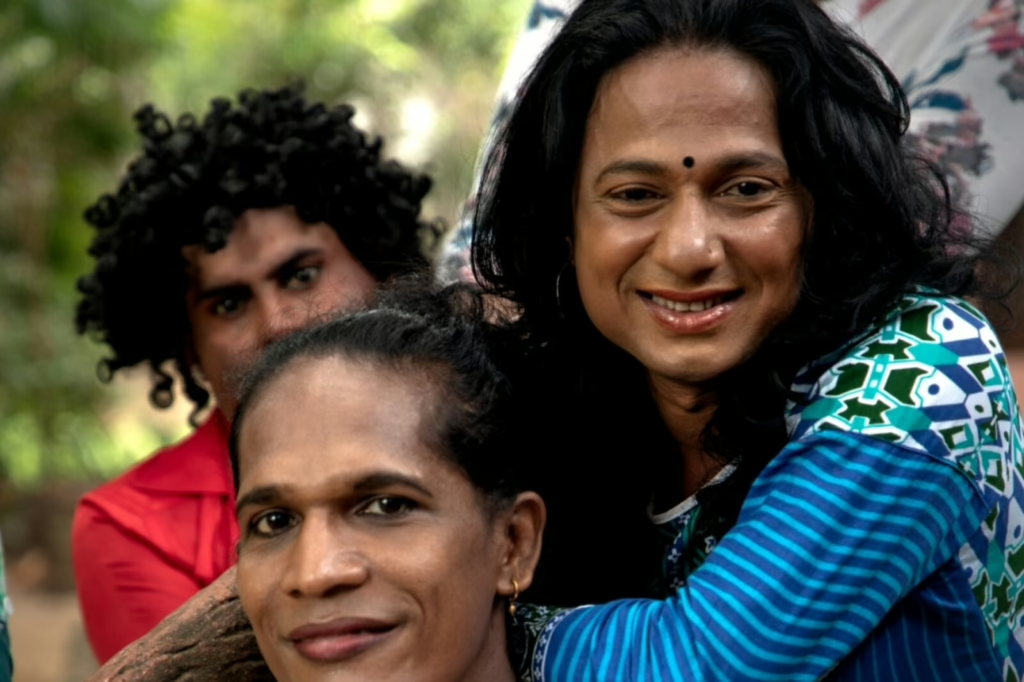
Lesbian, Gay, Bisexual, Transgender, Intersex, and Queer+ (LGBTQIA+)
Providing a tailored response to the unique needs of LGBTQIA+ individuals in humanitarian settings, including a heightened risk of sexual violence, abuse, exploitation, and harassment.
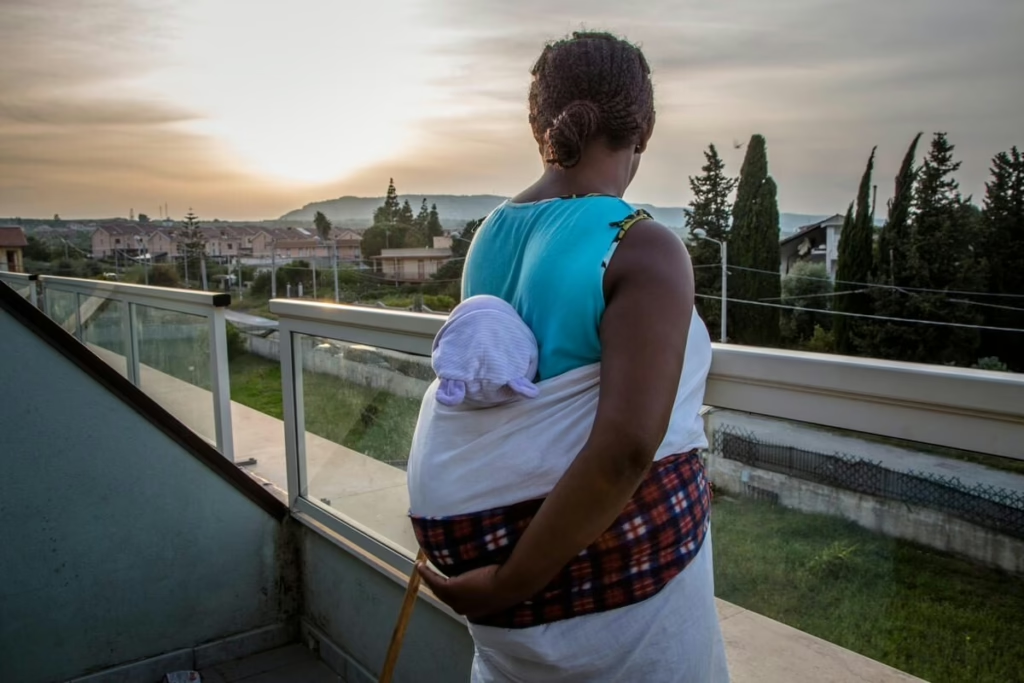
Maternal and Newborn Health
Preventing maternal and newborn mortality with quality, respectful, and dignified care from pregnancy through the postpartum period.
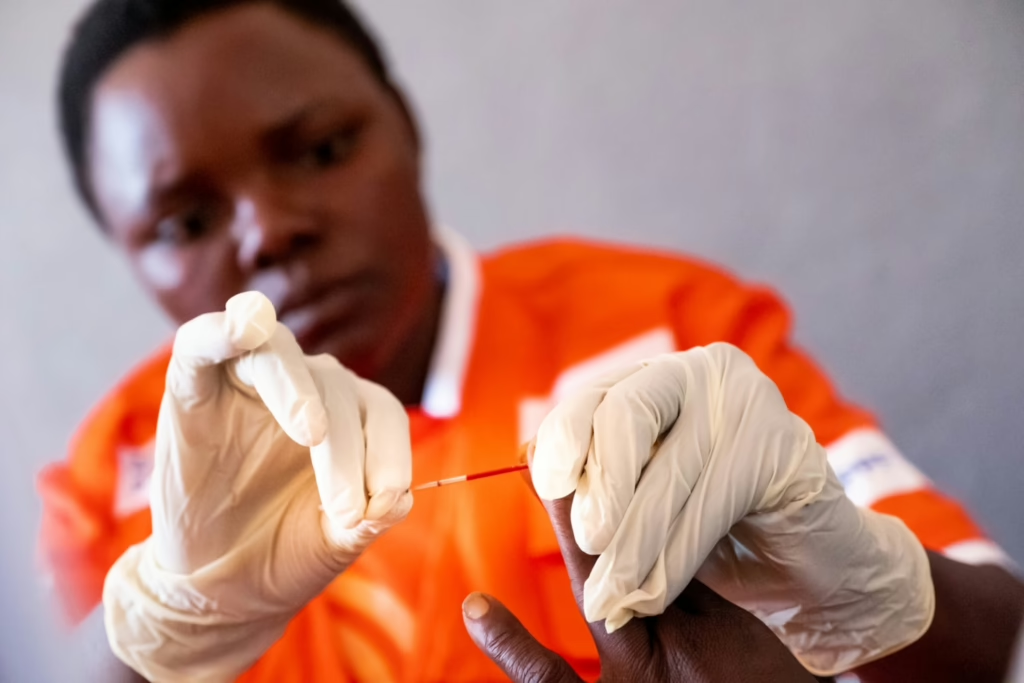
STIs/HIV/AIDS
In humanitarian settings the risk of STI and HIV transmission may be higher due to sexual violence, sex work, alcohol and drug use, limited access to condoms.
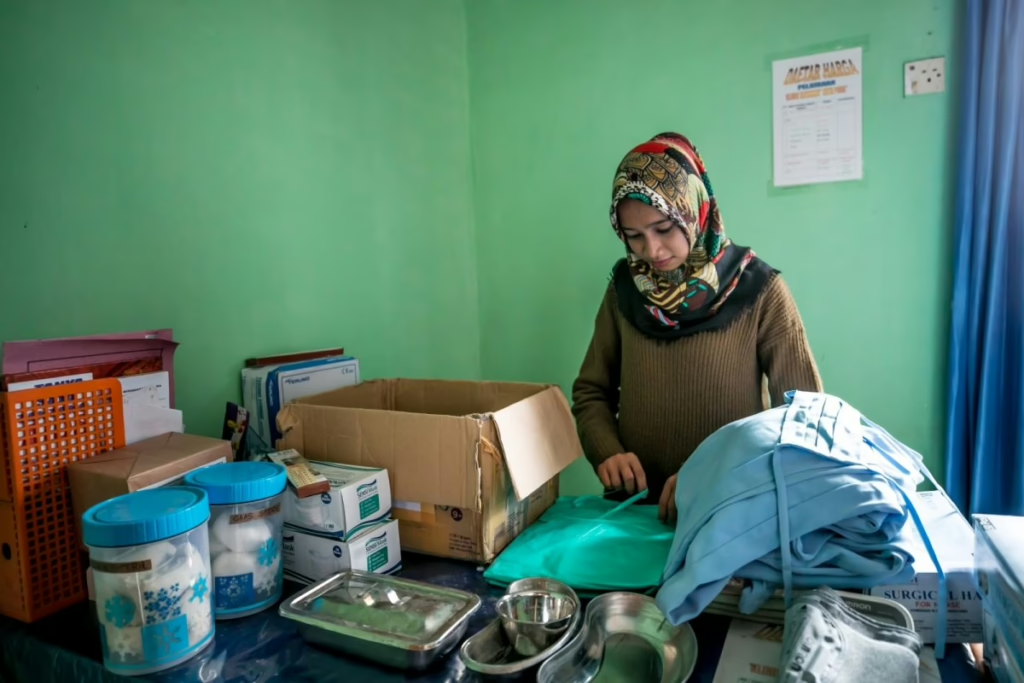
Supplies
Guaranteeing sexual and reproductive health medical supplies and commodities are available in humanitarian settings when they are needed and to all who need them.
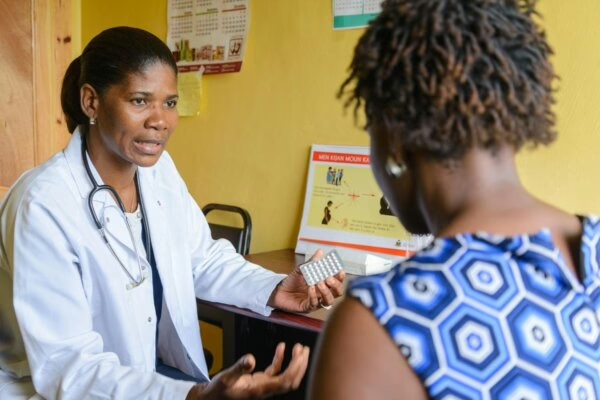
Voluntary Contraception
Insuring access to voluntary contraception (VC) during humanitarian settings, when the risk of unintended pregnancy and desire to prevent pregnancy often increases.