
Comprehensive Abortion Care
Limited access to contraception, delaying childbearing because of lack of security, and rape contribute to a higher risk of unintended pregnancy and unsafe abortion in humanitarian settings.
Preventing death and injury by providing service of or referral to comprehensive abortion care.
Ensuring service that is private, non-judgmental, and provides adequate information for the patient to give informed consent.
Advocating with communities and policy makers regarding comprehensive abortion care.
Why it matters
Comprehensive abortion care (CAC) is an intervention proven to prevent maternal death or injury. Disrupted health systems, limited contraception, and a higher instance of sexual violence cause an increase in the number of unintended pregnancies and demand for safe abortion. Access to safe and legal abortion is a core human right, supporting the right to life, health, equality, privacy, self-determination, bodily integration, and freedom from inhumane treatment.
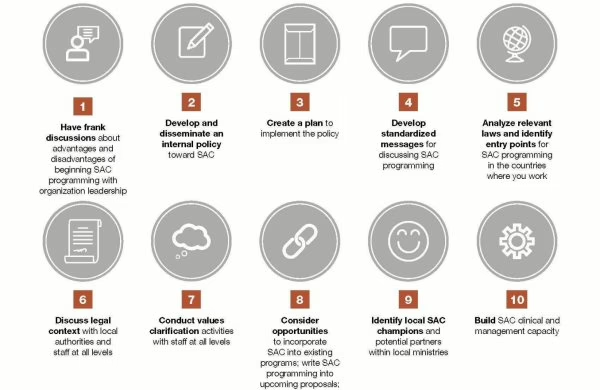
Safe Abortion Care: 10 Steps for Starting/Expanding Programming
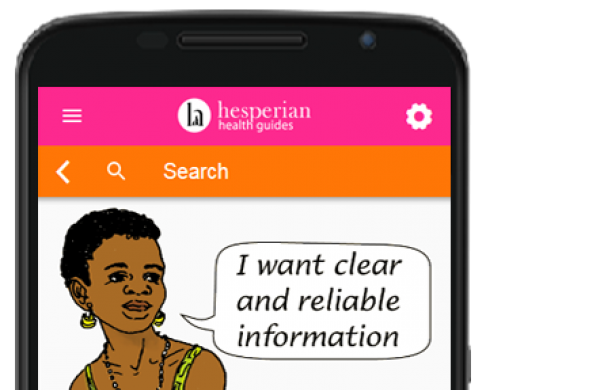
Hesperian Mobile Applications: Safe Abortion, Safe Pregnancy & Birth, and Family Planning
How We Work
Our work on this issue is led by the Safe Abortion Care Sub-Working Group—a dedicated group of IAWG members who set the priorities and advance research, practice, and advocacy for comprehensive abortion care in humanitarian settings. Learn about their current objectives, priorities, and latest work.
Comprehensive Abortion Care Resources
Incidence and Safety of Abortion in Two Humanitarian Settings in Uganda and Kenya: A Respondent-Driven Sampling Study
Refugees in two humanitarian settings in Uganda and Kenya have little access to WHO-recommended methods of abortion, and the need for safe abortion services is high. There is a lack of data on the direct experiences of abortion of those living in displacement. This study aimed to describe abortion practices, safety, and incidence in two refugee settings. These new findings come from an Elrha - R2HC funded study by Ibis Reproductive Health, Ipas, Resilience Action International, the International Rescue Committee and the African Population and Health Research Center.
Safe Abortion Care: 10 Steps for Starting/Expanding Programming
Safe abortion care (SAC) was one of the major gaps identified in the 2014 IAWG global evaluation. The IAWG SAC Sub-Working Group conducted a study of IAWG member agencies to inform efforts and support agencies to start or expand SAC activities. These 10 steps summarize the best practices for initiating SAC programming.
Guiding Principles for Safe Abortion Care for Women and Girls in Crises
This one-pager lists the four guiding principles followed by the IAWG Safe Abortion Care Sub-Working Group.
Strengthening Social and Behavior Change for Family Planning in Fragile and Humanitarian Crisis Settings
Breakthrough ACTION conducted a landscape analysis of SBC for FP in fragile and humanitarian crisis settings. A mix of approaches was used to learn about global, regional, and country-level activities and led to findings and recommendations.
The Humanitarian-Development-Peace Nexus (HDPN) and Applications to Family Planning, Reproductive Health, and Maternal, Newborn, and Child Health Interventions in Fragile Settings: A Case Study from South Sudan
This report examines the humanitarian-development nexus and its application to health interventions in South Sudan, specifically family planning, reproductive health, and maternal, newborn, and child health (FP/RH/MNCH), concluding with recommendations for stakeholders related to health services, institutional architecture, leadership, financing, coordination, and localization.